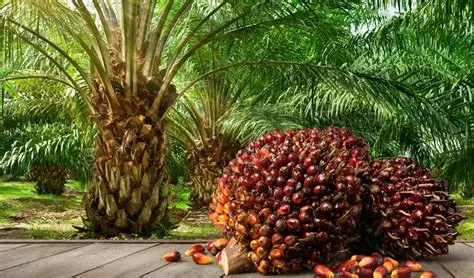
Ghana’s proposed $500 million oil palm financing facility is being positioned as a strategic intervention to restructure the country’s fragmented oil palm industry, reduce import dependency, and attract large-scale private investment into the sector.
The initiative, announced in the 2026 Budget by Finance Minister Dr. Cassiel Ato Forson, will provide long-term capital support across the oil palm value chain, including a five-year moratorium on principal and interest repayments to ease early-stage financial pressure on investors and producers.
Chief Executive Officer of Development Bank Ghana, Prof. Randolph Nsoh-Ambala, says the facility is not merely a financing package but a structural reform tool aimed at transforming the industry into a more integrated and competitive ecosystem.
Speaking at a stakeholder roundtable in Accra, he explained that the intervention is designed to move Ghana away from fragmented production systems toward a coordinated value chain capable of achieving greater efficiency and “supply chain sovereignty.”
According to him, the broader objective is to strengthen domestic production and reduce the country’s reliance on imported palm oil while significantly improving local processing capacity.
He noted that the design of the facility reflects government’s strategy of using public funds to de-risk priority sectors and attract private capital into productive investment.
Prof. Nsoh-Ambala stressed that long-term sustainability will depend on private sector leadership, with government playing a catalytic role in creating enabling conditions for investment and expansion.
In a separate contribution, the President of the Oil Palm Development Association of Ghana, Paul Kwabena Amaning, urged government to prioritise organised farmer groups and cooperatives in the implementation phase of the programme.
He argued that structured support for associations within the sector would be critical to improving productivity, strengthening agro-processing systems, and expanding market access for small and medium-scale producers.
Mr. Amaning further called for clear timelines and phased implementation, stressing that early results would be key to sustaining confidence in the programme.
He proposed that initial structures and pilot disbursements should be visible within six months, with expanded plantation development and processing activity within 12 to 18 months, and measurable import reduction and production gains within three to five years.
The facility is expected to support plantation expansion, improve domestic processing capacity, create employment, and accelerate Ghana’s drive toward self-sufficiency in palm oil production.
SOURCE: b2b