By: Evans Kwame Kumah | ignewss — Ho, Ghana
The director of Kekeli Foundation, Carrie Brown, has called for increased government investment in disability services, highlighting the urgent need for more trained therapists, improved healthcare access, and expanded educational opportunities for children living with developmental disabilities.
For nearly two decades, the non-profit organisation has been working to improve the lives of vulnerable children and families across communities, with a particular focus on supporting children affected by developmental disabilities and combating the stigma they often face.
Founded in 2008, Kekeli Foundation initially concentrated on assisting vulnerable children. However, its work evolved after community engagements revealed that children with developmental disabilities were frequently marginalised, excluded from social activities, and denied equal opportunities within their communities.
“Many of these children were hidden away, stigmatised, and unable to access the support they needed,” Brown said. “We realised there was a critical need to focus specifically on developmental disabilities and work closely with families and communities to change perceptions.”
Building Community Support
In response, the foundation adopted a community-centered approach aimed at identifying children in need of assistance while raising awareness about developmental disabilities.
One of its most impactful initiatives has been the creation of mother self-help groups, which bring together mothers and carers of children with disabilities to share experiences, receive emotional support, and access information about available services.
Through these groups, families are educated on the causes of developmental disabilities and guided toward healthcare and social support systems that can improve the well-being of their children.
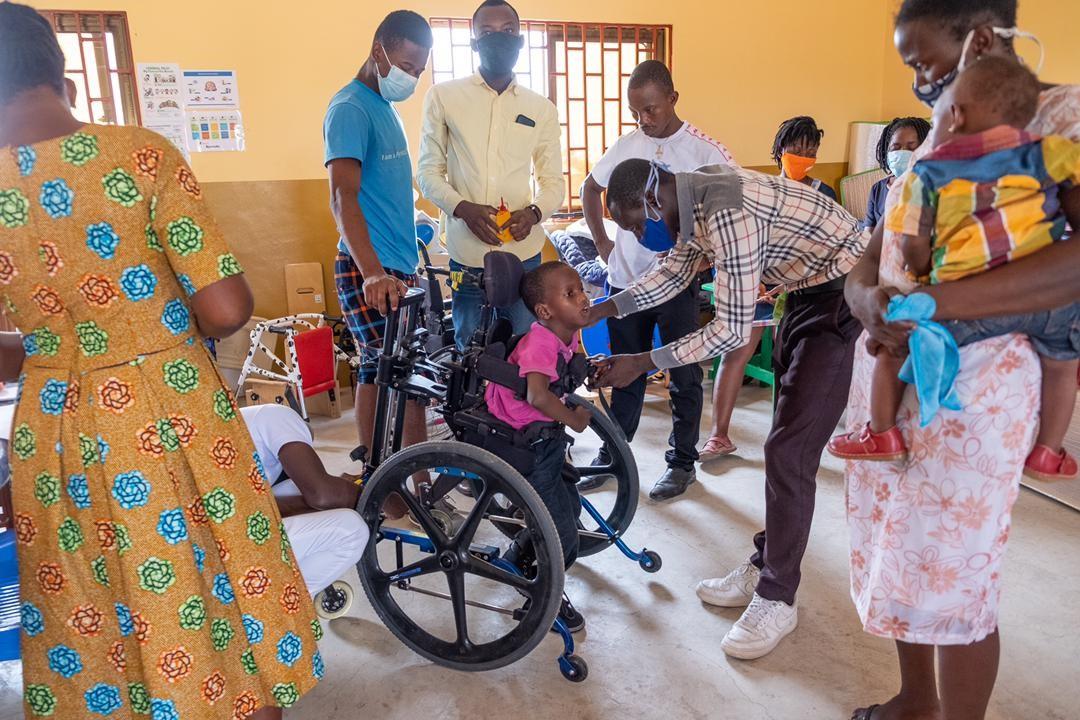
The foundation also collaborates with healthcare providers to facilitate access to physical therapy and other essential interventions designed to enhance children’s development and overall quality of life.
“Our goal has always been to ensure that children with disabilities receive the support they need to reach their full potential and become active participants in society,” Brown said.
Expanding Access to Inclusive Education
As part of its efforts to promote inclusion, Kekeli Foundation initially sought to integrate children with developmental disabilities into mainstream schools. However, persistent stigma and concerns over inadequate support systems within the education sector presented significant challenges.
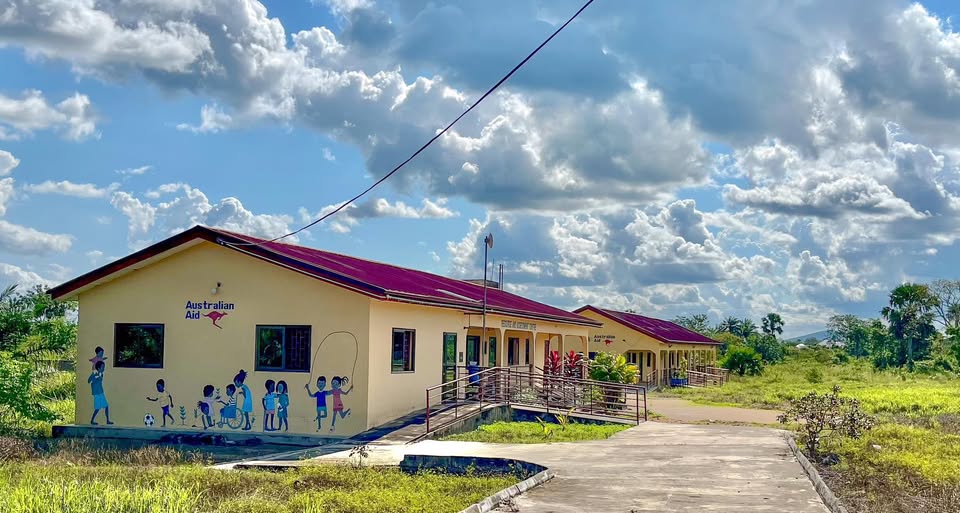
To address these barriers, the organisation established a model inclusive school project alongside a resource and assessment center that provides specialised educational and healthcare support.
The center serves as a one-stop facility where parents can access assessments, professional guidance, referrals to specialist services, and educational support tailored to the needs of children with disabilities.
The initiative aims to ensure that children receive quality education within an inclusive environment while equipping families with the knowledge and resources necessary to support their development.
Challenges Persist
Despite notable progress, Brown acknowledged that major obstacles continue to affect children with developmental disabilities and their families.
Foremost among these challenges is the shortage of qualified specialists, particularly physical therapists and speech therapists, whose services are critical for many children.
According to her, the foundation often relies on bringing specialists into communities to provide support, but demand consistently exceeds available resources.
“There are simply not enough trained professionals to meet the needs of these children,” she said. “The shortage of therapists remains one of the greatest barriers to effective support.”
Brown also highlighted the economic hardships faced by many families, noting that access to nutritious food remains a significant concern. Proper nutrition, she explained, plays a vital role in the healthy growth and development of children with disabilities.
Call for Greater Investment
The foundation’s director urged government agencies, development partners, and private-sector organisations to increase investment in disability services and strengthen support systems nationwide.
She called for the training and deployment of more therapists and special education professionals across hospitals, schools, and communities to improve access to essential services.
Brown noted that many mothers currently travel between one and two hours each week to secure physical therapy services for their children, creating additional financial and emotional strain on families already facing significant challenges.
“We need more trained professionals within our communities so families can access these services closer to home,” she said. “No mother should have to choose between earning a living and ensuring that her child receives the therapy they need.”
She further appealed for stronger collaboration among policymakers, development organisations, healthcare providers, and educational institutions to ensure that children with disabilities are not left behind.
“Every child deserves the opportunity to learn, grow, and thrive regardless of their abilities,” Brown said. “With the right support, children with developmental disabilities can become productive and valued members of their communities.”
As awareness of disability inclusion continues to grow in Ghana, organisations such as Kekeli Foundation are playing a critical role in bridging service gaps and advocating for a society where all children have equal opportunities to achieve their full potential.