By: Daniel Yao Akpabli | ignewss – HO, Volta Region, GHANA
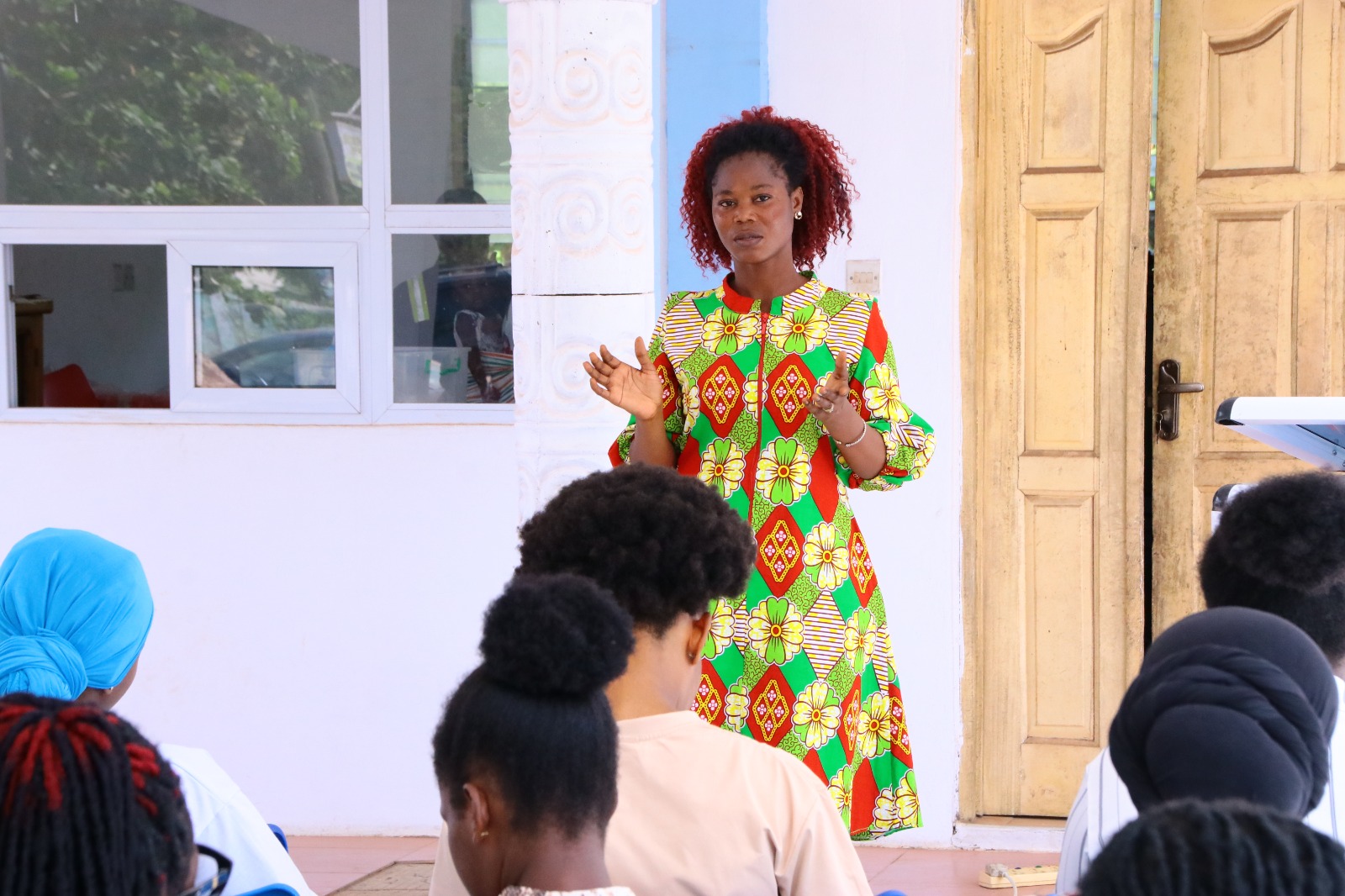
Female student journalists in the Volta Region have been urged to build their careers on truth, accuracy and professional integrity, with a strong warning that the pressure to break news or attract online attention must never come at the expense of responsible journalism.
The call was made by Ewoenam Kpodo, editor at Ghana News Agency (GNA), during a journalism training workshop for female student journalists at the Ghana Journalists Association (GJA) Volta Press Centre on Thursday, November 26, 2026.
Speaking on the fundamentals of journalism, media ethics and professional standards, Ms Kpodo challenged participants to understand that journalism is not simply about gathering information and publishing it quickly. It requires discipline, verification and a commitment to serving the public with truthful information.
She described journalism as the “disciplined gathering, verification and presentation of truthful information in the public interest”, reminding the students that their responsibility was to the truth and the people they served.
“Not rumour. Not vibes. Not ‘they say.’ Your loyalty is to truth and to the people you serve,” the presentation stated.
The workshop sought to equip the aspiring journalists with the practical and ethical foundations needed to navigate the newsroom, where the demand for speed and the growing influence of digital platforms can sometimes place pressure on professional standards.
Verification before publication
Ms Kpodo advised the students to resist the temptation to publish unconfirmed claims, particularly when dealing with sensitive issues or information circulating on social media.
“If you cannot verify it, do not publish it,” she stated, describing verification as a fundamental responsibility of every journalist.
The presentation also introduced participants to a three-source approach to reporting, encouraging them to seek confirmation from more than one source and support their findings with documentary evidence where possible.
The approach, she said, should help journalists distinguish credible information from speculation and avoid becoming conduits for misinformation.
“Speed without verification is gossip with a byline,” the presentation warned.
Fairness, accuracy and the right of reply
The students were also reminded that accuracy goes beyond getting the main facts right. Names, figures, dates and other details must be checked carefully, while people affected by a story should be given a fair opportunity to respond.
The presentation outlined five core values of journalism: truth and accuracy, independence, fairness and balance, humanity, and accountability.
Ms Kpodo urged the participants to apply these principles in their everyday reporting, including when covering powerful individuals, public institutions or controversial issues.
The students were encouraged to use clear and concise language, lead with the most important information and ensure that their stories were complete and properly attributed.
The presentation also emphasised the need to correct mistakes openly rather than ignore them or attempt to conceal them.
Protecting vulnerable sources
Particular attention was given to the privacy and safety of vulnerable people, including children, survivors of abuse and whistleblowers.
The students were cautioned that not every piece of information that is true is necessarily suitable for publication, especially where disclosure could expose a source to harm.
“Report WITH her, not ABOUT her,” the presentation advised, highlighting the importance of treating vulnerable sources with dignity and involving them in the reporting process without exploiting their experiences.
A practical scenario was presented in which a 15-year-old girl tells a journalist that a teacher is demanding sex in exchange for marks but asks that the information remain confidential.
Participants were asked to consider how they would respond, with the presentation stressing that child protection must take priority over confidentiality in such circumstances.
The exercise was intended to help the students think through difficult ethical decisions before they encounter them in the field.
Resisting pressure and harassment
The workshop also addressed challenges that can undermine the independence of journalists, including the acceptance of brown envelopes or “soli”, pressure from powerful people, the pursuit of clicks and gender-based harassment.
Ms Kpodo urged the students to protect their professional credibility and resist practices that could compromise their reporting, adding that “your integrity is your CV.”
They were further reminded that their reputation would be shaped not only by the stories they produced but also by the standards they maintained while gathering and presenting information.
A commitment to responsible journalism
As part of the workshop, participants were taken through a checklist to use before publishing a story.
The questions included whether information had been verified with more than one source, whether the right of reply had been given, whether a name or photograph could cause harm, and whether a vulnerable source had been adequately protected.
They were also encouraged to distinguish fact from opinion and consider who might be hurt if a report turned out to be wrong.
The presentation also concluded with a pledge for the aspiring journalists to verify before publishing, remain fair, protect vulnerable people and refuse to compromise their voices.
The message was a reminder that journalism’s credibility rests not only on the stories journalists tell but also on the care, courage and integrity with which they tell them.
SOURCE: www.ignewss.com