By: Daniel Yao Akpabli | ignewss – Accra, Ghana
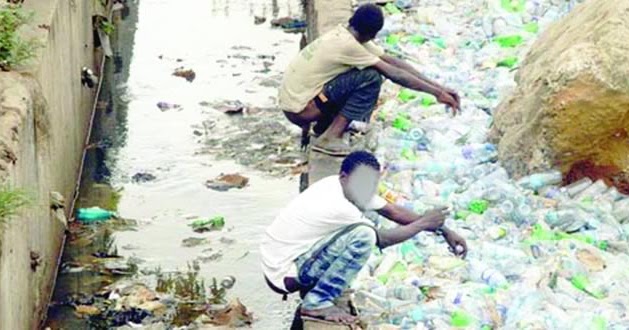
Founder and Chief Executive Officer (CEO) of WASHKING Limited, Dieudonne Kwame Agudah, has called for greater investment in safe and accessible sanitation, warning that poor toilet facilities continue to expose communities to preventable health risks.
He said Ghana’s efforts to build healthier communities must go beyond the provision of healthcare services to include access to dignified sanitation, particularly for families and vulnerable groups.
Speaking at the company’s 10th anniversary celebration at Heritage Christian University College in Amasaman, Mr Agudah said the long-term vision should be a country where families do not have to live close to human waste and preventable diseases such as cholera are no longer a recurring threat.
He also highlighted the need for safe toilet facilities in schools, particularly to protect the privacy and dignity of women and girls.
According to him, sanitation is not merely about constructing toilets but ensuring that households can access and afford facilities that meet their needs.
He observed that although many families want safe sanitation, the cost of acquiring facilities at once remains a challenge for some households.
Mr Agudah said Washking had consequently been exploring flexible payment arrangements, after-sales services and other approaches to make sanitation more accessible to lower-income families.
He noted that the company’s work over the past decade had demonstrated the importance of sanitation facilities in improving people’s daily lives.
Washking, which began operations with the construction of a single toilet facility, has since delivered more than 1,000 sanitation installations, reaching over 8,000 people.
Mr Agudah further called for collaboration among government institutions, businesses, development partners and communities to improve sanitation access across the country.
He reiterated that, achieving a cleaner and healthier Ghana would require collective efforts and practical solutions that respond to the needs of ordinary households.
SOURCE: www.ignewss.com