By: Daniel Yao Akpabli | ignewss – HO, Volta Region
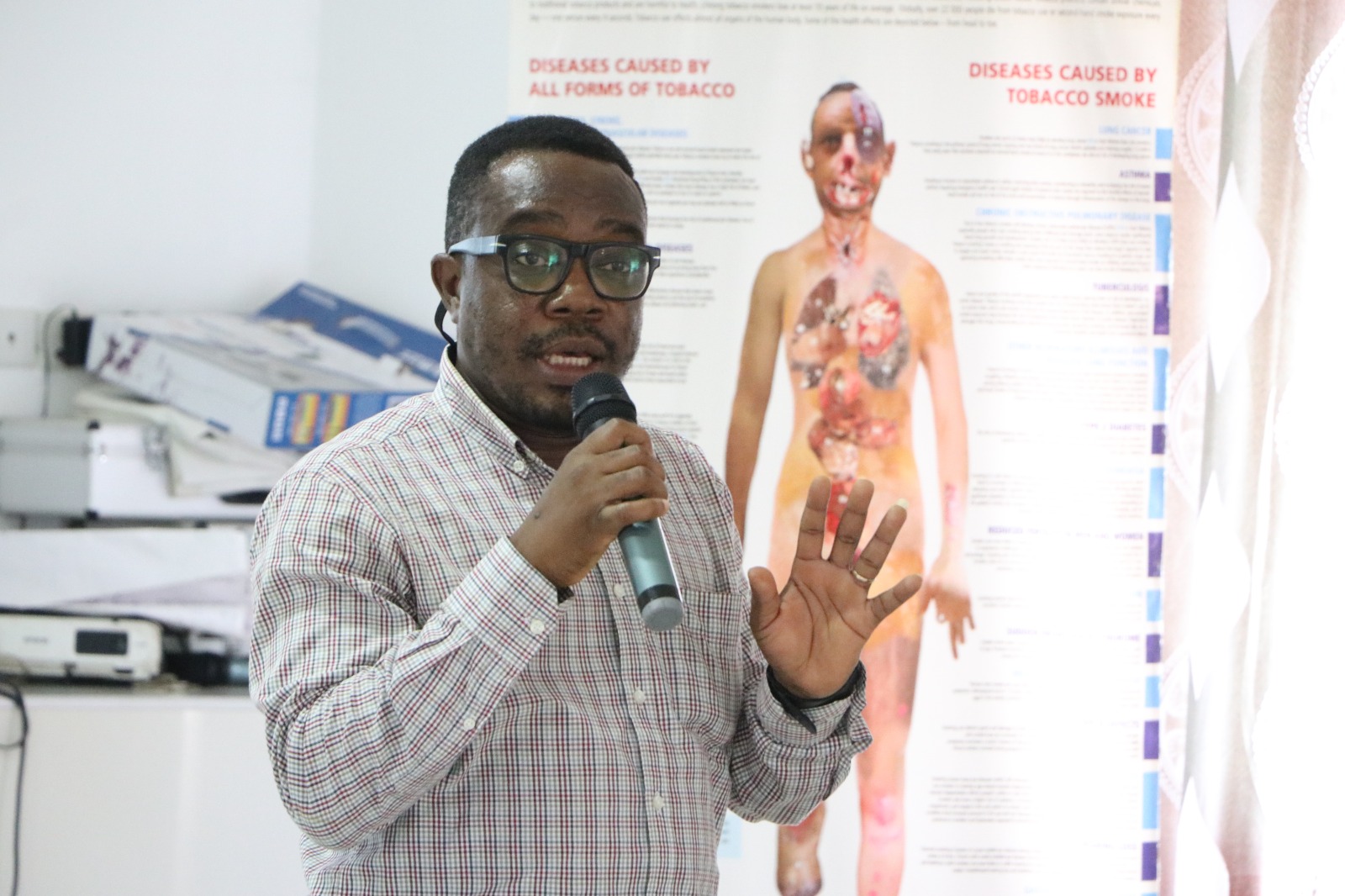
The Food and Drugs Authority (FDA) has intensified efforts to intercept illegally imported tobacco products, warning that smugglers are increasingly using concealed consignments and schoolchildren to evade security checks at Ghana’s borders.
The Authority says its enforcement operations, public education campaigns, and port inspections remain central to preventing illicit tobacco products from entering the country and protecting public health and safety.
Speaking to the media during a tobacco control enforcement training programme in Ho, on November 25, 2026, Lucas Dei-Amengor, a regulatory officer at the FDA, said smugglers often hide tobacco products in ordinary goods to avoid detection.
He cited instances where tobacco products had been concealed in bags of rice and other items, making it difficult for officers to identify them without careful inspection.
According to him, the FDA relies on vigilance and cooperation among state security agencies to detect suspicious consignments and confiscate illicit products.
“We need a lot of vigilance and cooperation from other state security agencies to help us identify and then confiscate those tobacco products,” he said.
24-hour border operations boost interceptions.
Mr Dei-Amengor said the number of tobacco interceptions increased after the introduction of the 24-hour border system in 2023, compared with the earlier arrangement under which officers operated a day system.
He explained that interceptions initially increased but later began to decline, a development he said was expected as enforcement efforts became more effective.
He likened the trend to cleaning a house, where the amount of rubbish found decreases after repeated cleaning.
The decline, he said, should not be interpreted as a sign that the FDA had relaxed its operations or become less vigilant, suggesting that smugglers might have stopped using some routes or changed their methods after realising that their activities were being closely monitored.
Mr Dei-Amengor said the FDA continued to adapt its enforcement strategies as smugglers sought new ways to outsmart security personnel.
He stressed that the fight against illicit tobacco trade required constant adjustment because those involved were also changing their methods.
Security agencies join forces against smuggling.
The FDA Regulatory Officer commended the collaboration among the various security agencies involved in border enforcement.
He said the Ghana Revenue Authority’s Customs Division, Ghana Immigration Service, Narcotics Control Commission, Ghana Police Service and National Security were among the agencies working together to identify and intercept suspicious goods.
According to him, information about concealment methods was shared among the agencies to improve their ability to detect illicit products.
He said when officers encountered substances or consignments whose identity was unclear, the matter was referred to the relevant agencies for further examination.
Mr Dei-Amengor described the cooperation as important to protecting the country, noting that no single institution could effectively tackle the problem alone.
FDA warns against using children in tobacco smuggling.
The FDA also raised concerns about the alleged use of children of school-going age, including those as young as four (4) years, 10 years and 14 years, to transport illicit tobacco products across borders.
Mr Dei-Amengor said smugglers sometimes exploited schoolchildren because they believed security personnel would be less likely to suspect them of carrying illegal goods, warning that the practice exposed children to serious security and health risks.
The Authority, he said, had intensified public education in border communities to discourage residents from allowing their children to participate in illicit trade.
He further explained that people recruited to transport illegal goods could face threats from criminal networks if they failed to deliver the consignments as expected.
In some cases, he said, individuals could be pressured to swallow packages containing illicit substances, exposing them to potentially life-threatening complications.
Mr Dei-Amengor urged parents and community members not to be swayed by the financial rewards offered by smugglers, stressing that the safety of children and their families must come first.
“Even if you carry a package for someone and they pay you 10 million Ghana cedis, you need to be alive to spend that money,” he said.
He said the FDA was using community engagements to help residents understand the dangers associated with the illicit tobacco trade and make informed decisions.
Calls for continued vigilance
Mr Dei-Amengor said the fight against tobacco smuggling would require sustained cooperation among government agencies, border communities and the public.
He urged residents to report suspicious activities and support security personnel in identifying concealed products.
He also called for continued public education, particularly in communities along the borders, where smugglers may attempt to recruit vulnerable people into illegal activities.
The FDA, he said, would continue to adjust its enforcement methods in response to changing smuggling tactics, while working with other agencies to safeguard public health and national security.
“No matter the loopholes they identify, we also follow and trace them, and since they learn to fly without perching, we also learn to shoot without missing. It’s just like a dance tune; when they change the rhythm of the dance, we change our dance steps,” he stressed.
SOURCE: www.ignewss.com