By: GAMOR DERICK AFENYO – columnist
When I was very young, I remember it clearly—almost like a scene frozen in time. My late father would sit quietly with his old Sanyo radio, carefully tuning in to Ghana Broadcasting Corporation. From that small radio came voices and songs from far away—sorrowful songs from South Africa.
Even as a child, I could feel the weight in those sounds. I didn’t fully understand the politics then, but I understood that something was wrong, something painful, something that mattered deeply to my father and to many others around us.
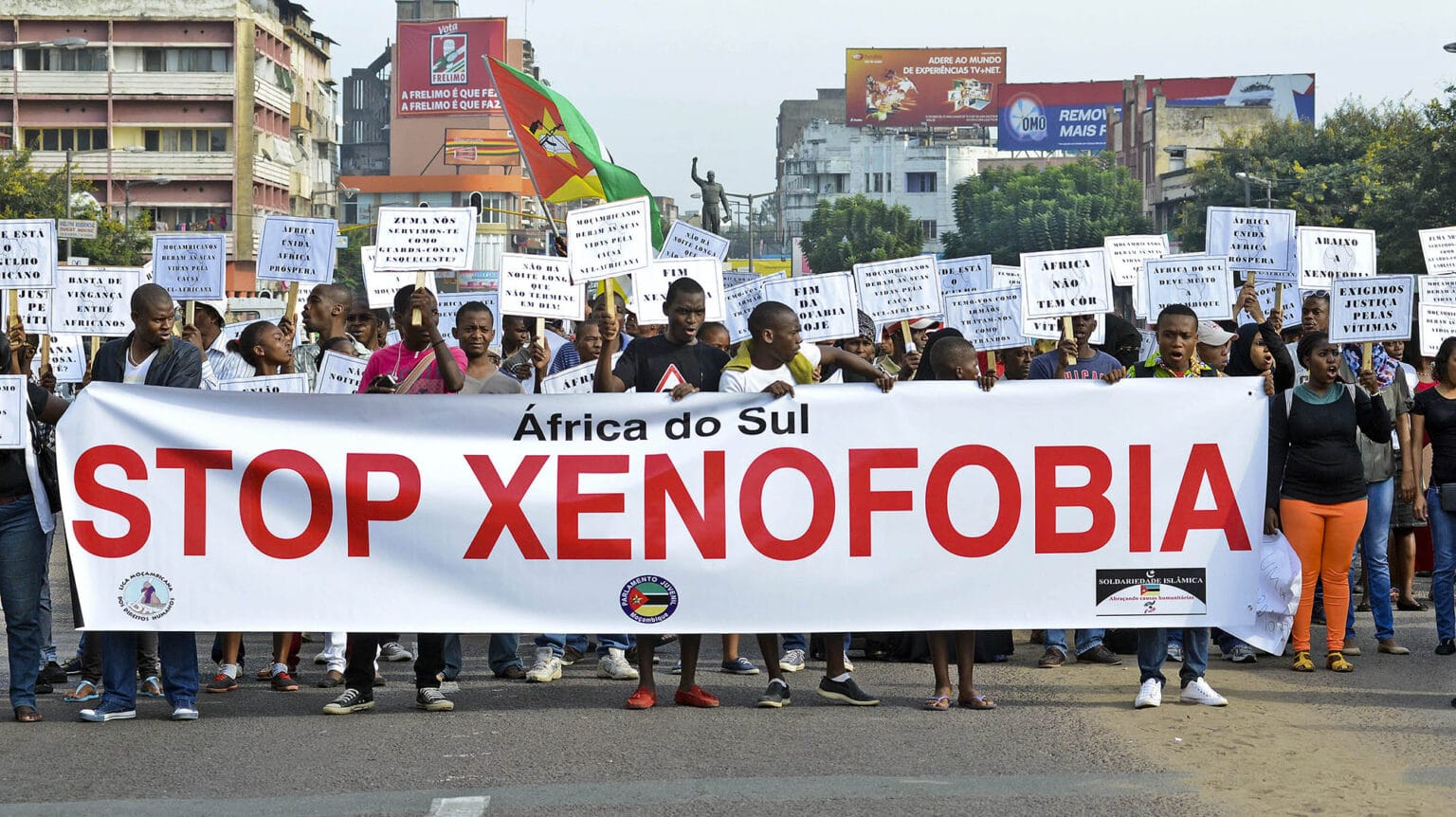
What is happening in South Africa right now is painful to watch—not just because of the violence, but because of what it represents. It feels like something deeper is breaking. This is not only about attacks on foreigners; it is about Africans losing sight of each other.
When a Ghanaian, Nigerian, or Zimbabwean is chased, beaten, or forced to flee in another African country, it shakes the very idea of what it means to be African. It becomes less about nationality and more about a wound to our shared identity.
Let’s be honest—this is not how the story was supposed to go. There was a time when Africa stood almost as one for South Africa. During apartheid, South Africans were not alone. Countries such as Ghana welcomed South Africans. Families hosted exiles.
Students were given education opportunities. Governments, even when struggling themselves, contributed resources. Ordinary people—market women, workers, farmers—gave what little they had because they believed that South Africa’s freedom was Africa’s freedom.
The struggle was carried by many hands. The African National Congress did not survive in isolation. It was supported across the continent. Some countries faced severe consequences, including economic sanctions, political pressure, and even security threats, simply for supporting justice. That history is not distant; it is part of living memory. Many people who lived through that period are still alive today.
That is why the current situation feels so personal. It is not just news—it feels like betrayal to some, confusion to others, and deep sadness to many. But we also have to resist the temptation to oversimplify it.
The frustration on the streets in South Africa is real. Unemployment is high. Inequality is visible everywhere. For many young people, the future feels uncertain. When life becomes that hard, people look for someone to blame—and too often, the nearest “outsider” becomes the target.
Still, pain does not justify harm. Struggle does not excuse violence. South Africa has come too far, sacrificed too much, to allow this kind of division to define its future. The government must act—not just with words, but with visible protection for all who live within its borders. Communities must begin to ask themselves hard questions: who really benefits when Africans fight each other?
For Ghana and other African countries, the response should be steady and dignified. Protect your people, yes. Speak firmly through diplomacy, yes. But do not let anger push the continent into a cycle of retaliation. Once that door opens, it becomes difficult to close. Africa cannot afford internal fractures at a time when unity is needed more than ever.
The African Union also has a role to play—not just issuing statements, but facilitating honest conversations between nations. Policies and agreements matter, but so do relationships between people. Initiatives like the African Continental Free Trade Area promise economic integration, but integration must also happen in the heart. Trade alone cannot build trust.
There is also something we rarely talk about enough—memory. Many young Africans today do not fully know the story of how Africa stood together during apartheid.
That history must be told again and again, in schools, in homes, and in media. Not as propaganda, but as truth. Because when people understand that others once sacrificed for them, it becomes harder to turn against those same people.
At the ground level, change will not come only from governments. It will come from conversations between neighbours, in markets, and in workplaces. It will come when people begin to see each other not as competitors, but as fellow survivors trying to build something better. Media, churches, mosques, and community leaders all have a role in shaping this mindset.
In the end, Africa stands at a quiet but important crossroads. We can choose suspicion, fear, and division—or we can choose memory, respect, and unity. South Africa’s freedom was never just South Africa’s victory; it was a shared African triumph. If that truth is forgotten, then something bigger than politics is lost. But if it is remembered—and lived—then even moments like this can become turning points toward a stronger, more united continent.
Source: ignewss.com | Ghana